
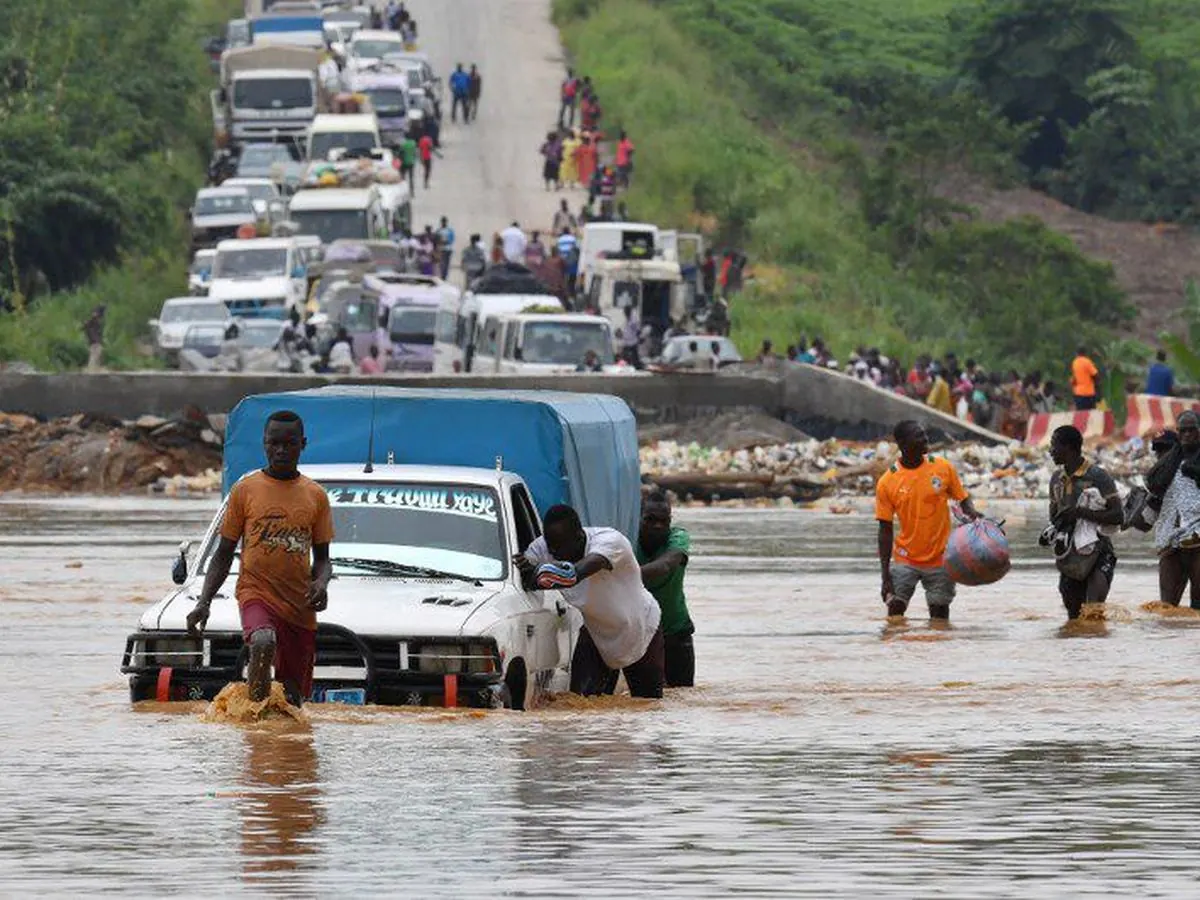
Praia, 7 January 2026 —PRESS AFRICA— Cape Verde went through one of its most difficult years in 2025 in the face of natural hazards: torrential rains linked to Tropical Storm Erin caused flash floods and landslides that cost several lives, displaced thousands of residents and tested the country's capacity to respond. The episode has once again highlighted the archipelago's acute vulnerability to extreme weather events and the socio-economic challenges that follow.
In August, intense rains swept across the northern islands (notably São Vicente, Santo Antão and São Nicolau), turning streets and valleys into rivers and causing substantial material damage. The authorities declared a state of emergency after the human toll and major disruption to road, electricity and water infrastructure. Humanitarian agencies estimate that tens of thousands of people were affected — displaced families, damaged homes and lost crops — and the number of victims rose to several dead.
The health and social consequences came quickly: hospitals and health centres had to cope with an influx of injured people and heightened risks of waterborne and vector-borne diseases after the flooding, while access to drinking water and basic services was compromised for entire communities. Health authorities and international organisations issued alerts and launched assistance operations to prevent a wider deterioration of the situation.
Economically, the impact is multidimensional. Infrastructure (roads, bridges, electricity networks) suffered damage that will hamper mobility and inter-island trade; tourism, a major pillar of the Cape Verdean economy, was disrupted by local destruction and an image of instability; and local agriculture — already weakened by recurrent episodes of drought — recorded losses of crops and pasture, worsening seasonal food insecurity. Earlier analyses and national documents stress that nearly a third of the population is exposed to extreme climate risks, which makes every exceptional episode particularly costly for the social fabric and for public finances.
The 2025 toll also illustrates a paradox: the archipelago faces both prolonged droughts and episodes of extreme rainfall — a pattern anticipated and documented by the national authorities in their NDC and by international institutions — making planning based on "normal" climate patterns obsolete. Experts are calling for stronger early warning systems, investment in resilient infrastructure (urban drainage, roads, reservoirs), and support for livelihoods through social safety net programmes and climate insurance.
In response, the Cape Verdean state, in cooperation with the Red Cross, the IFRC and international partners, has launched emergency operations and damage assessments to prioritise reconstruction and aid to the most vulnerable populations. Humanitarian actors stress the need for sustained funding for medium-term recovery — targeted relocation, strengthened health services and support for smallholder producers — to prevent these episodes from turning into a spiral of poverty and lost productive capacity.
While 2025 has heightened national and international awareness of Cape Verde's vulnerability, the task now is to anchor responses in a lasting approach: integrated adaptation, resilient urban planning, economic diversification and access to suitable climate financing — all levers that are essential if the archipelago is to reduce its exposure and protect its communities from the next extreme episodes.
Reporter: BAWA ALLAH Khadidjatou A.
Leave a Comment