Nouakchott, 7 January 2026 —PRESS AFRICA— The year 2026 is shaping up as a strategic turning point for Mauritanian exports, with favourable prospects for a substantial improvement in external revenues and for better integration of the national economy into global markets. While the mining and energy sectors remain the main drivers of exports, new dynamics could further increase the impact of foreign sales on the country's economic growth.
Export growth already under way
Mauritania has traditionally relied on exports of iron ore, gold and fishery products as the pillars of its trade balance. According to the most recent data, Mauritanian exports showed an upward trend in the latest third quarter, with growth of about 7.7% in overall exports, driving trade momentum despite a persistent trade deficit.
This progress comes at a time when regional and global markets continue to represent significant opportunities for Nouakchott, particularly in North Africa and Europe, the country's main trading partners.
Mining: the quiet strength of the economy
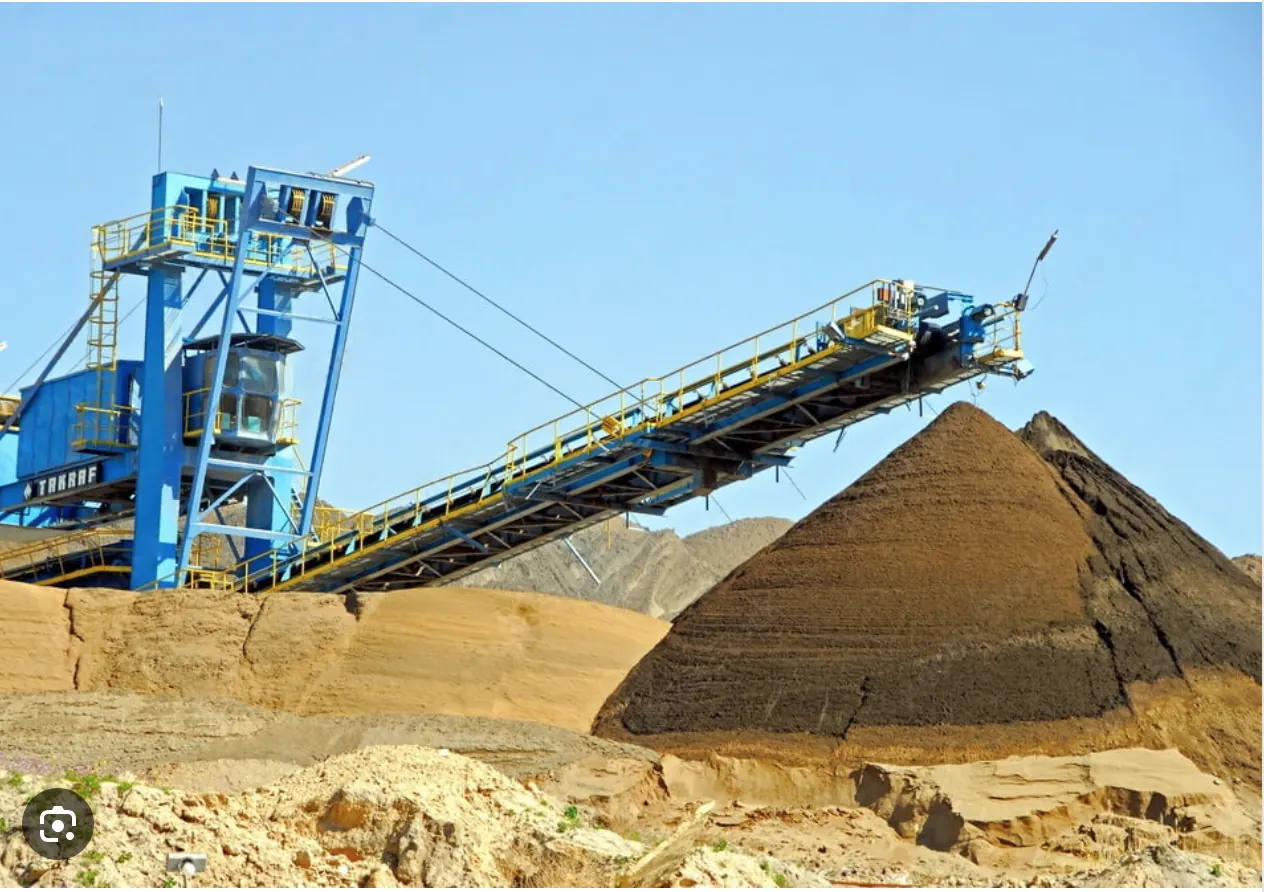
The mining sector remains the linchpin of Mauritanian exports, with the Société nationale industrielle et minière (SNIM) as the main engine. After selling 14.7 million tonnes of iron ore in 2025, SNIM has set itself the target of exceeding 15.5 million tonnes in 2026, confirming an upward trajectory that should boost export volumes and, in turn, external revenues.
This growth in export volumes also reflects improved production capacity and infrastructure linked to extraction and transport to the ports, which should further consolidate Mauritania's place in global ore markets.
Gas and diversification: new prospects
Beyond mining, the development of liquefied natural gas (LNG) exports is a potentially major source of export revenue for 2026. The Grand Tortue Ahmeyim (GTA) project, renewed as a central element of Mauritania's entry into gas exports, is expected to stimulate economic growth and increase external revenues, while diversifying the country's export portfolio.
According to projections by the International Monetary Fund (IMF), gas exports could account for a significant share of total exports, boosting overall growth and the appeal of the country to foreign direct investment.
Regional issues and market prospects
The rise in Mauritanian exports is also taking place in a broader regional context, in which trade with North African and European countries continues to play a crucial role. Although China remains an important trading partner, its share of Mauritanian exports has declined, while other markets, notably in Europe and North America, are gaining weight.
This diversification of partners, combined with expanding export volumes and new sectors such as energy, could help to gradually narrow the trade deficit and stabilise foreign currency flows.
Risks and challenges to watch
Despite these favourable prospects, export performance in 2026 remains dependent on external factors, notably the trend in global commodity prices, the competitiveness of international markets, and the country's ability to keep improving its logistics infrastructure. Moreover, economic diversification — recommended by international partners such as the World Bank — remains a major challenge for reducing vulnerability to shocks in the dominant sectors.
In sum, 2026 looks like a decisive year for Mauritanian exports. With rising iron ore volumes, entry into gas markets and a geographic diversification of trading partners, Mauritania could record a notable improvement in its export performance. If these dynamics materialise, they will provide a source of lasting economic growth and strengthen the foundations for more balanced development over the long term.
Reporter: BAWA ALLAH Khadidjatou A.
Leave a Comment