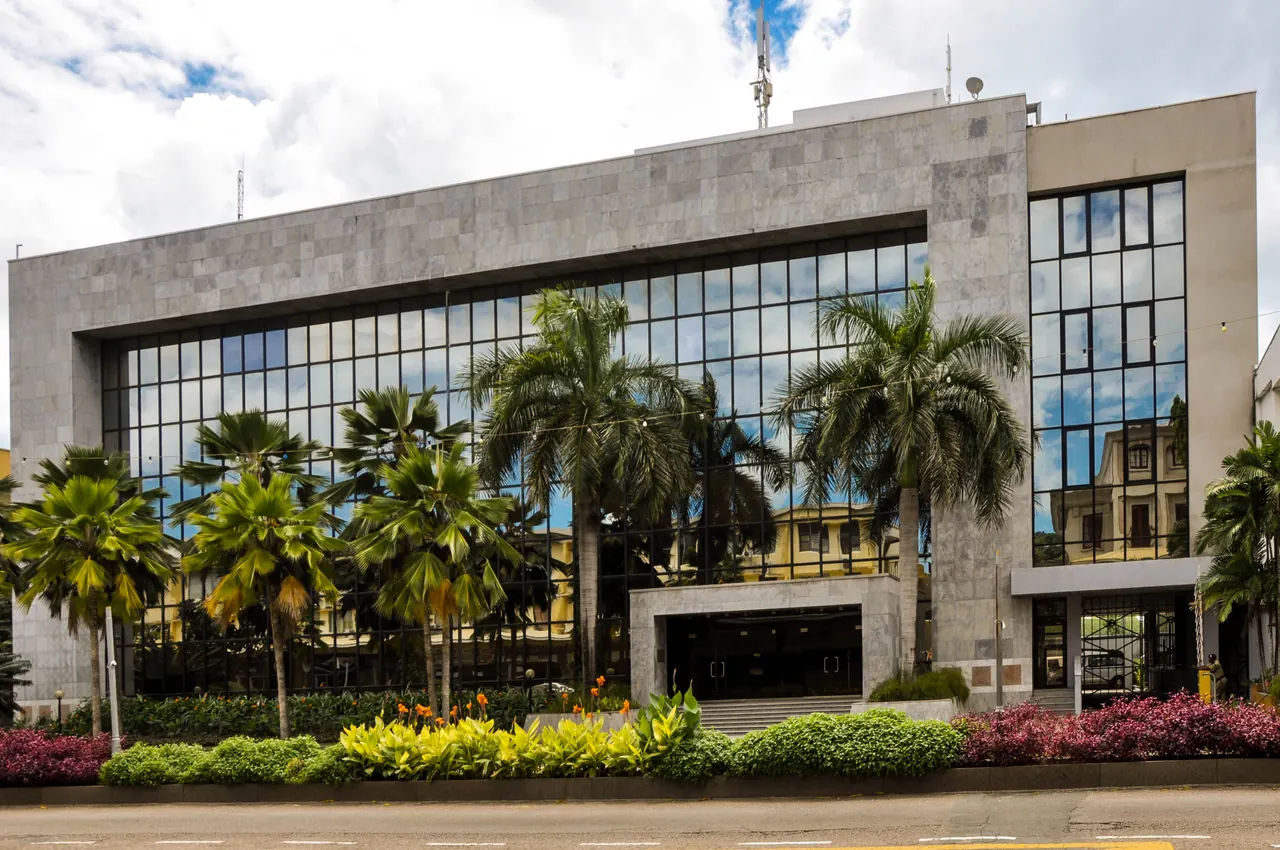
Victoria, 24 November 2025—PRESS AFRICA— Known for their idyllic beaches and a political stability that is rare in the region, the Seychelles also cultivate a discreet reputation: that of a financial refuge where, for more than three decades, shell companies, offshore capital and sometimes carefully concealed fortunes have been intertwined. Although the country has undertaken several transparency reforms, its past and certain current practices continue to fuel suspicion that opaque financial flows persist.
A legal architecture tailored for offshore business
From the 1990s, the Seychelles put in place one of the most attractive offshore legislative frameworks in the world. The archipelago offered the rapid creation of international business companies (IBCs), virtually zero taxation for non-resident entities, strict banking secrecy and shareholder registers that were not open to the public.
This framework, designed to attract foreign capital to support an economy with limited resources, was a considerable success… but also led to abuses. Between 2000 and 2018, the number of registered offshore companies sometimes exceeded 10,000 a year, a disproportionate volume for a country of fewer than 100,000 inhabitants.
Capital from everywhere… and from nowhere
With simplified procedures and low costs, the archipelago became a favoured destination for companies seeking to optimise their taxes, for private fortunes wishing to protect their assets, for financial intermediaries operating in the shadows and for players involved in complex cross-border arrangements.
While most of the structures are not illegal, some have been used to conceal beneficial owners, circumvent sanctions, hide assets derived from corruption and facilitate large-scale tax evasion.
The role of company formation firms
A constellation of specialist firms, based in Victoria or operating from Dubai, Hong Kong and even London, has thrived in this market. These intermediaries offered "turnkey" services, including the creation of companies in 24 hours; the provision of nominee directors; associated offshore bank accounts; and financial transfers concealed across several jurisdictions. This industry, long subject to little oversight, helped to sustain an ecosystem conducive to opaque financial arrangements.
A tax haven reputation that is hard to shake off
Despite notable progress, the Seychelles is still regularly singled out by the IMF, the Financial Action Task Force (FATF), the European Union and the OECD. In 2020, the archipelago was placed on the European blacklist of tax havens before being removed under conditions. But for many analysts, it remains a grey zone of global finance.
Recent reforms
Under diplomatic pressure, the Seychelles has begun reforms that boil down to strengthening transparency on beneficial owners, tighter control of shell companies, more active cooperation with international investigations, tougher banking rules and improved efforts against money laundering. The government says it wants to clean up the country's image and protect its tourism sector from the fallout of a financial scandal.
Fortunes still in the shadows?
Despite these efforts, experts agree that a significant share of the concealed fortunes is not physically located in the Seychelles, but in legal structures domiciled in the archipelago. In other words, the money circulates through global financial networks but benefits from Seychelles anonymity. Restricted access to registers, even reformed ones, and practices inherited from the past allow some capital to continue hiding there, sometimes with ramifications across several continents.
A fragile balance between attractiveness and transparency
The archipelago must now arbitrate between two contradictory imperatives: preserving its offshore sector, which generates significant revenue, and complying with international standards and avoiding sanctions. This delicate equation will determine the Seychelles' future place in global finance.
Today, the Seychelles is trying to reposition itself as less of a paradise for opaque fortunes, but still attractive enough for discreet capital. The country remains at the heart of a global debate: can economic sovereignty, the need for revenue and the imperative of transparency be reconciled?
Reporter: Saïd TESSILIMI
Leave a Comment