Lomé, 22 October 2025 - PRESS AFRICA-Togo is going through a delicate period marked by deep economic difficulties, made worse by a change of political regime which, far from bringing immediate stability, has caused budget imbalances, a slowdown in public investment and a loss of confidence among international financial partners.
A major political turning point, but at what price?
The recent change of regime in Togo (whether an anticipated democratic alternation of power or a more abrupt transition) has upset the country's institutional and economic balance. This turning point, though it carries hopes of renewed governance, has also exposed the fragility of the economic foundations on which the state rested.
From the first months after the change of power, several public projects were suspended or slowed. Ministries, in the midst of reorganisation, saw their administrative capacity reduced, affecting the management of public finances, budget disbursements and medium-term planning.
A climate of uncertainty holding back the economy
Political instability has created a wait-and-see climate among private investors. The private sector, which accounts for a large share of national economic activity, is in retreat. Several companies, notably in construction, trade and agribusiness, report late payments by the state, a drop in public orders and greater difficulty in accessing credit.
Togo's traditional financial partners, such as the IMF, the World Bank and the European Union, have adopted a cautious stance. Some aid programmes have been suspended pending a return to clear and transparent governance. The Treasury, for its part, is struggling to raise resources because of an already high debt and a sovereign rating weakened by political uncertainty.
Pressure on public and social finances
Faced with a drop in tax revenue and a rise in transition-related spending (institutional reforms, security costs, social measures to calm tensions), the budget deficit has widened. The newly elected government finds itself forced to make painful trade-offs: reducing subsidies, freezing recruitment in the civil service, or postponing major infrastructure projects.
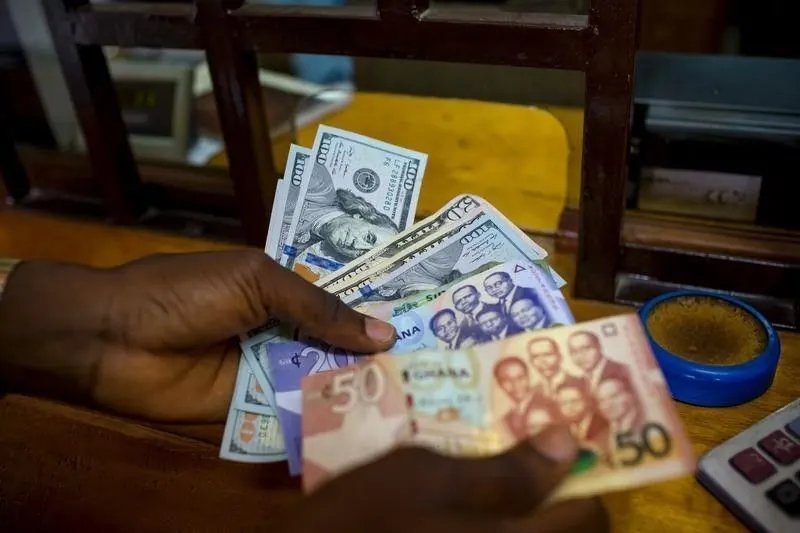
The social consequences are tangible. Inflation, although global, is aggravated in Togo by weak local supply and the difficulty of importing amid a shortage of foreign currency. The prices of basic necessities are soaring, hitting the most vulnerable households. Social movements and strikes in the public sector reflect growing discontent.
A possible way out of the crisis?
To turn the situation around, the authorities must regain the trust of both the population and donors. This means greater transparency in the management of public finances, relaunching dialogue with economic partners, and a clear recovery strategy. Structural reforms, often deferred, will also have to be implemented to strengthen the resilience of the national economy.
In a context where political stability is still fragile, Togo's economic recovery will depend on its leaders' ability to reconcile deep reforms with emergency social measures. The population, for its part, expects the change of regime to mean a concrete improvement in living conditions, not a new era of economic uncertainty.
Writer: Jaurès S. BOKO
Leave a Comment