Gaborone, 19 November 2025—PRESS AFRICA— Often cited as an example of stability and good governance in Africa, Botswana also stands out for its ambitious education policies. The country has one of the highest rates of access to education on the continent, but it must now take up a new challenge: improving the quality and fairness of its school system.
Near-universal access to primary school
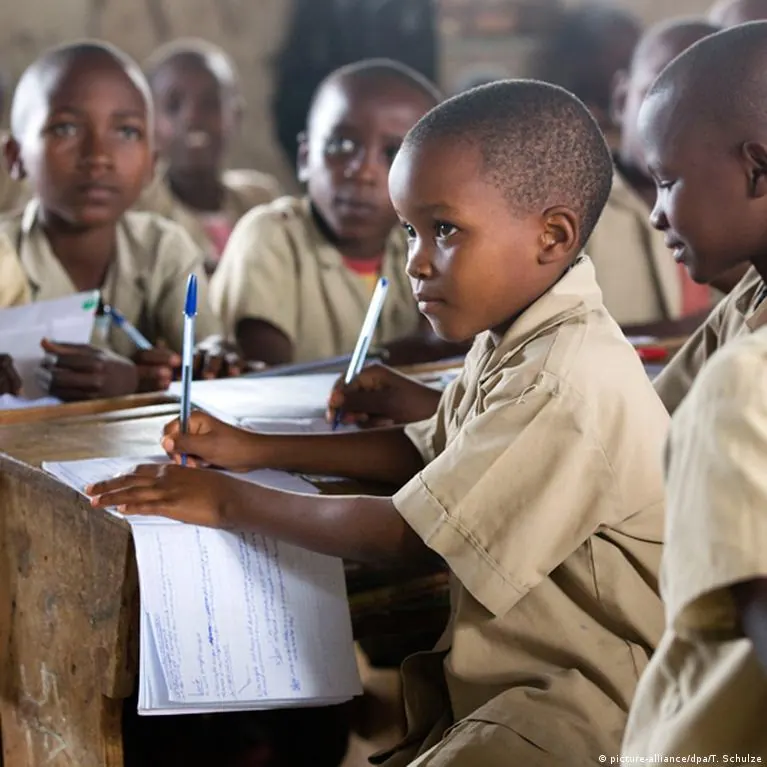
According to the latest report from Botswana's Ministry of Education and Skills Development, more than 97% of children aged 6 to 12 are in school. This rate, one of the highest in sub-Saharan Africa, is the result of a proactive policy in place since independence in 1966.
The government devotes nearly 20% of its national budget to education, a figure above the African average. Public schools are free up to the end of secondary level, and the state provides textbooks, meals and, in some rural areas, transport.
"Education is the key to development and human dignity," the Minister of Education, Dr Keneilwe Motsumi, said recently when presenting the sector's 2025 figures.
Inequalities between rural and urban areas
Despite this impressive progress, regional disparities remain marked. In remote areas such as Ngamiland and Kgalagadi, a lack of infrastructure and qualified staff holds back full school attendance.
Children from pastoralist and San (Bushmen) communities are particularly vulnerable: nearly 15% of them leave school before the end of the primary cycle, often to help their families with subsistence economic activities.
Local NGOs, such as Education for All Botswana, are calling for stronger inclusion programmes and better cultural adaptation of educational content.
Secondary education on the rise
Access to secondary education has risen sharply: nearly 80% of adolescents aged 13 to 18 are now enrolled in junior or senior secondary school, compared with barely 60% fifteen years ago.
However, the completion rate remains low, at around 65%. The main causes of dropping out are poverty, early pregnancies and the distance between home and school.
In 2024, the government launched the "Re Thuto Tota" ("Let us learn together") programme, which aims to build 200 new rural high schools and equip every pupil with a subsidised laptop by 2027.
The question of quality and graduate unemployment
While Botswana can be proud of having put almost all its children in school, the quality of teaching remains a major concern. National assessments show that nearly 40% of primary pupils struggle with reading and mathematics.
The country also faces a paradox: high unemployment among young graduates, estimated at 26%. "We have succeeded in opening schools, but not yet in linking education to the labour market," admits an official at the Ministry of Labour.
Reforms are under way to modernise curricula, introduce more technical and digital training, and strengthen partnerships between schools and local businesses.
A political will that remains firm
Despite these challenges, Botswana remains a regional model of sustainable education policy. Its steady commitment to universal education has helped raise living standards, reduce poverty and strengthen national cohesion.
For the director of the Education Research Centre in Gaborone, Ms Teboho Rasego, "Botswana proves that investing in education is not a luxury, but a strategy for survival and progress for African countries."
Botswana has won the battle for access to education, but the battle for quality and fairness is still to be fought. To remain an example on the continent, the country will have to train more teachers, narrow the gaps between towns and countryside, and above all adapt its education system to the needs of a changing economy.
Leave a Comment