
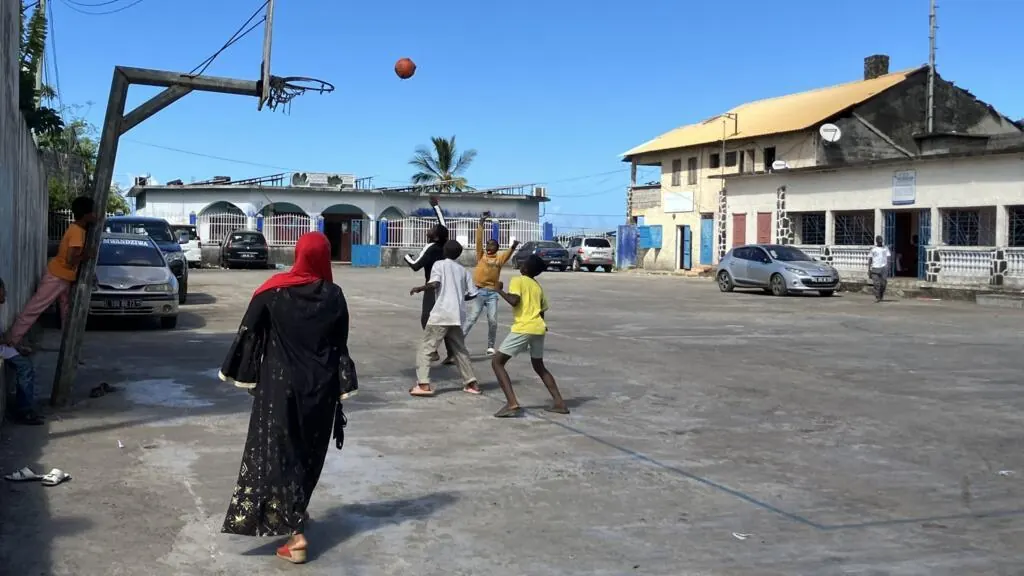
Moroni, 24 November 2025 (PRESS AFRICA) In the Comoros, a tropical archipelago with strong cultural identities, young people occupy a central demographic place. Bearers of hope in a country where more than 60% of the population is under 25, they nonetheless find themselves at a crossroads, caught up in deep socioeconomic challenges and in the emergence of new behaviors that part of Comorian society describes as "vices."
Mass unemployment and idleness, a fertile breeding ground
The first factor fueling these excesses is economic. Youth unemployment stands at alarming levels, often above 40%, according to various local estimates. Without career prospects, many drift toward activities that may lead them away from traditional values: petty trafficking, use of illicit substances, minor delinquency and gambling dependence.
This precarity creates a sense of frustration that translates into a frantic search for quick ways to "succeed" or simply to survive, sometimes at the expense of social or moral rules.
Risky behaviors
The omnipresence of social media (TikTok, Facebook, Instagram) plays a central role. For many young Comorians, exposure to Westernized or Middle Eastern models is driving a rapid transformation of social codes. There is a rise in cyberbullying, dangerous challenges, early sexualization and the pursuit of online fame through provocative content.
Some young people see it as a space for expression; others turn it into a field of experimentation with sometimes worrying limits, amplified by the absence of local digital regulation.
Consumption of local and imported drugs
Drug use, long taboo, is gaining ground. Kanja (cannabis) remains widespread, but new substances from abroad are circulating in some urban circles. Alcohol, though prohibited under religious norms, is consumed covertly at private parties.
These practices are spreading discreetly but steadily, worrying parents, educators and religious leaders, who see a risk of the collapse of cultural and spiritual reference points.
Petty crime and informal gangs
With few support structures, informal groups of young people are forming in neighborhoods of Moroni, Mutsamudu and Fomboni. While not comparable to the structured gangs of some neighboring countries, these bands nonetheless engage in opportunistic theft, vandalism, nighttime altercations and sporadic assaults. These phenomena remain limited but are enough to fuel a climate of mistrust between generations.
Early marriages, hidden relationships...
Social change also affects the intimate sphere. The gap between a youth seeking autonomy and a society still strongly shaped by religious and family traditions causes ruptures: a rise in clandestine relationships, the circumvention of customary norms, and forced or quickly dissolved marriages. This tension between modernity and tradition fuels a deep malaise among many adolescents.
A weakened education system
The Comorian education system is struggling to absorb population growth. Overcrowded classrooms, recurrent strikes and a lack of career guidance leave many young people to fend for themselves. In this void, deviant behavior finds particularly fertile ground.
The "vices" of young people in the Comoros are not merely individual excesses: they reveal the broader challenges of a nation in transition, torn between tradition and modernity, between economic expectations and structural constraints. The debate remains open, but one thing is certain: the future of the Comoros will depend largely on the collective ability to offer its youth a clear, dignified and stable horizon.
Writer: Saïd TESSILIMI

Leave a Comment