
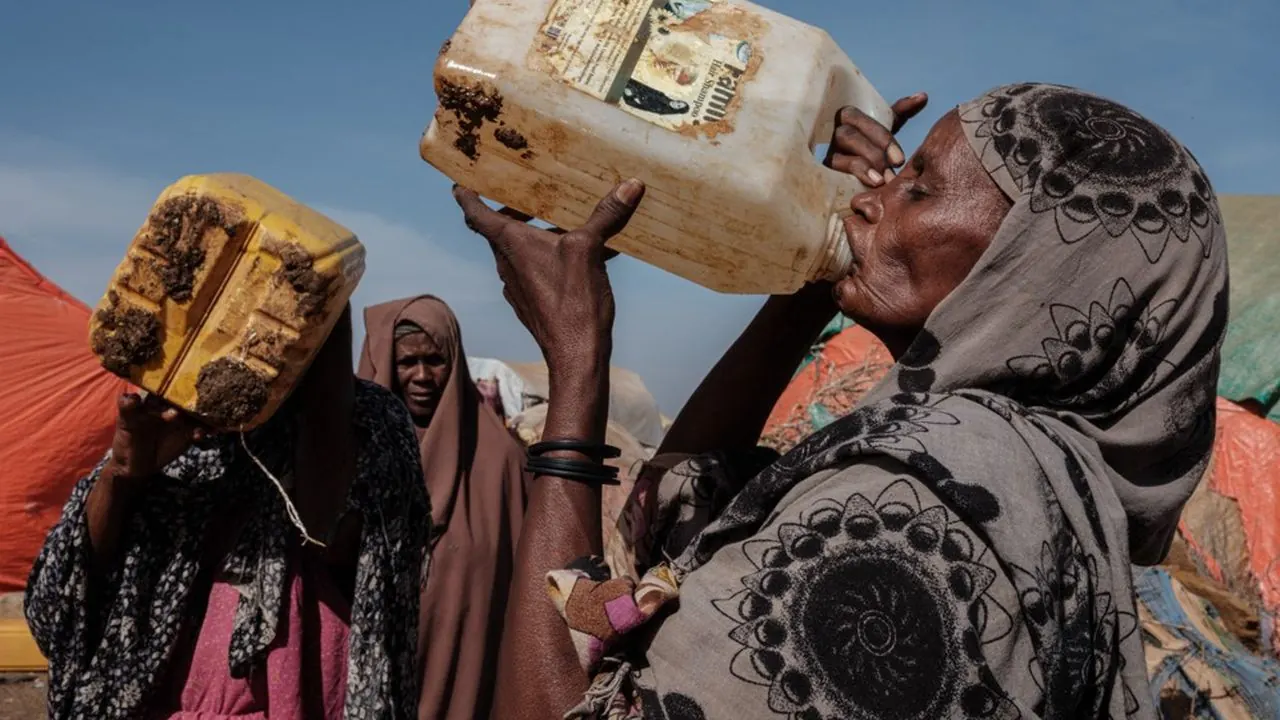
Mogadishu, 8 December 2025 – PRESS AFRICA – In Somalia, people's daily lives are a mix of persistent challenges, coping strategies and remarkable resilience. In 2025, despite a gradual improvement in the security situation in some regions, Somalis' lives remain deeply marked by the combined effects of political instability, recurring humanitarian crises and economic hardship.
Between persistent insecurity and community spirit
In many rural areas, the presence of Al-Shabaab continues to restrict movement, economic activity and access to essential services. Sporadic attacks in major cities such as Mogadishu are a reminder of the fragility of peace, even as Somali forces and their international partners make significant gains. For the population, this means constant vigilance, adapting daily routines and relying heavily on family and community networks for protection and solidarity.
An informal economy that carries the country
With a shortage of formal jobs, the informal economy is the main source of income. Small shops, informal transport, and the sale of food or handicrafts animate urban markets. Remittances from the diaspora remain a central pillar of survival for many families, paying for schooling, healthcare and food. In rural areas, livestock farming, notably of camels, goats and sheep, remains an essential traditional activity, even though repeated droughts are undermining livelihoods.
Climate crises and food insecurity
Climate change has a profound impact on daily life in Somalia. Cycles of drought and flooding follow one another, displacing thousands of people every year. Camps for internally displaced people, often makeshift, shelter entire families who depend on humanitarian aid for water, food and sanitation. Food insecurity, amplified by poor agricultural performance, remains a major concern, despite the increased involvement of NGOs and UN agencies.
Limited access to social services
Access to education and healthcare remains uneven. In cities, private schools and health centres offer relatively acceptable services, but they are out of reach for a large part of the population because of high costs. In rural areas, infrastructure is scarce or non-existent. Women, in particular, face heightened challenges: limited access to maternal care, economic insecurity and the responsibility of running the household in a context of instability.
A young society looking to the future
Despite these difficulties, a new energy is emerging from Somalia's youth, who make up more than 70% of the population. Tech entrepreneurs, artists, athletes and community actors are taking part in a cultural and economic renaissance. In Mogadishu, Hargeisa and Baidoa, modern cafés, start-ups and social initiatives are emerging, driven by a deep desire for stability and development. In Somalia, daily life remains hard, but it is also marked by an exceptional capacity among its people to rebuild, adapt and hope.
Writer: BAWA ALLAH Khadidjatou A.
Leave a Comment