
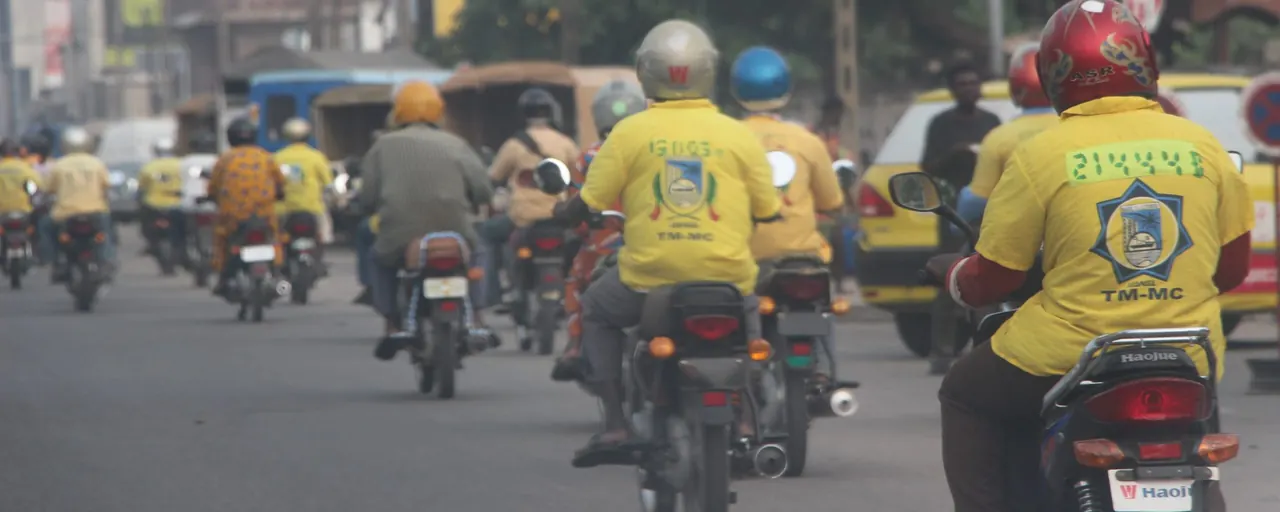
Cotonou, 22 October 2025 - PRESS AFRICA-In the bustling streets of Cotonou, an unexpected phenomenon is drawing attention: more and more older people are taking the handlebars of the famous motorbike taxis, known as zémidjan. This return to roots is redefining the codes of a trade often seen as the preserve of the young, and raises economic, social and cultural questions.
A traditional trade revisited
For several months, the taxi ranks at bus stations and the main thoroughfares of Benin's economic capital have seen a new kind of zémidjan driver reappear: men over 55, sometimes even beyond 70.
"After working all my life in trade, retirement was not easy. Coming back as a zém lets me stay active, earn a living and stay connected with society," explains Augustin, 67, on his bike near Dantokpa market.
The reasons for a return
Several factors explain the phenomenon. Among others: the economic crisis and inadequate pensions, as many elders have no stable income in retirement and must find a supplementary source of revenue; the rising cost of living, since in the face of persistent inflation the Kèkènon trade remains accessible and lucrative despite its risks; social dynamics and recognition, since the job offers a degree of autonomy, social status and direct contact with the public, often valued by these seniors; and family pressure, as some feel duty-bound to contribute to the household budget or help their children and grandchildren.
A physical and social challenge
Taking up a physically demanding trade again at an advanced age is not without challenges. Several health organisations warn of the risks linked to fatigue, accidents and harsh working conditions.
An evolving image
Long seen as a dangerous trade reserved for young men, the zémidjan is opening up to a new generational and social diversity. For Beninese sociologist Dr Koffi Hounkpe, "This return of older people to the trade reflects a profound change in attitudes to work, but also an economic necessity. It is a form of social resilience that deserves to be recognised and supported."
Young drivers, sometimes sceptical, are beginning to see these veterans as sources of advice and experience, fostering an unprecedented intergenerational dynamic. In the words of young Kèkènon Moussa, "They know the city better than we do, and we learn a lot from rubbing shoulders with them."
The return of older people to the zémidjan trade in Cotonou illustrates people's capacity to adapt to today's economic and social challenges. The phenomenon upends preconceptions, invites a rethink of urban solidarity, and lays the foundations for a more inclusive and intergenerational trade. However, it is urgent that the central government steer the socio-professional reintegration of older people who are obliged to work to meet their basic needs towards other, less risky sectors, in order to limit and/or prevent the worst.
Writer: Khadidjatou BAWA ALLAH


Leave a Comment